


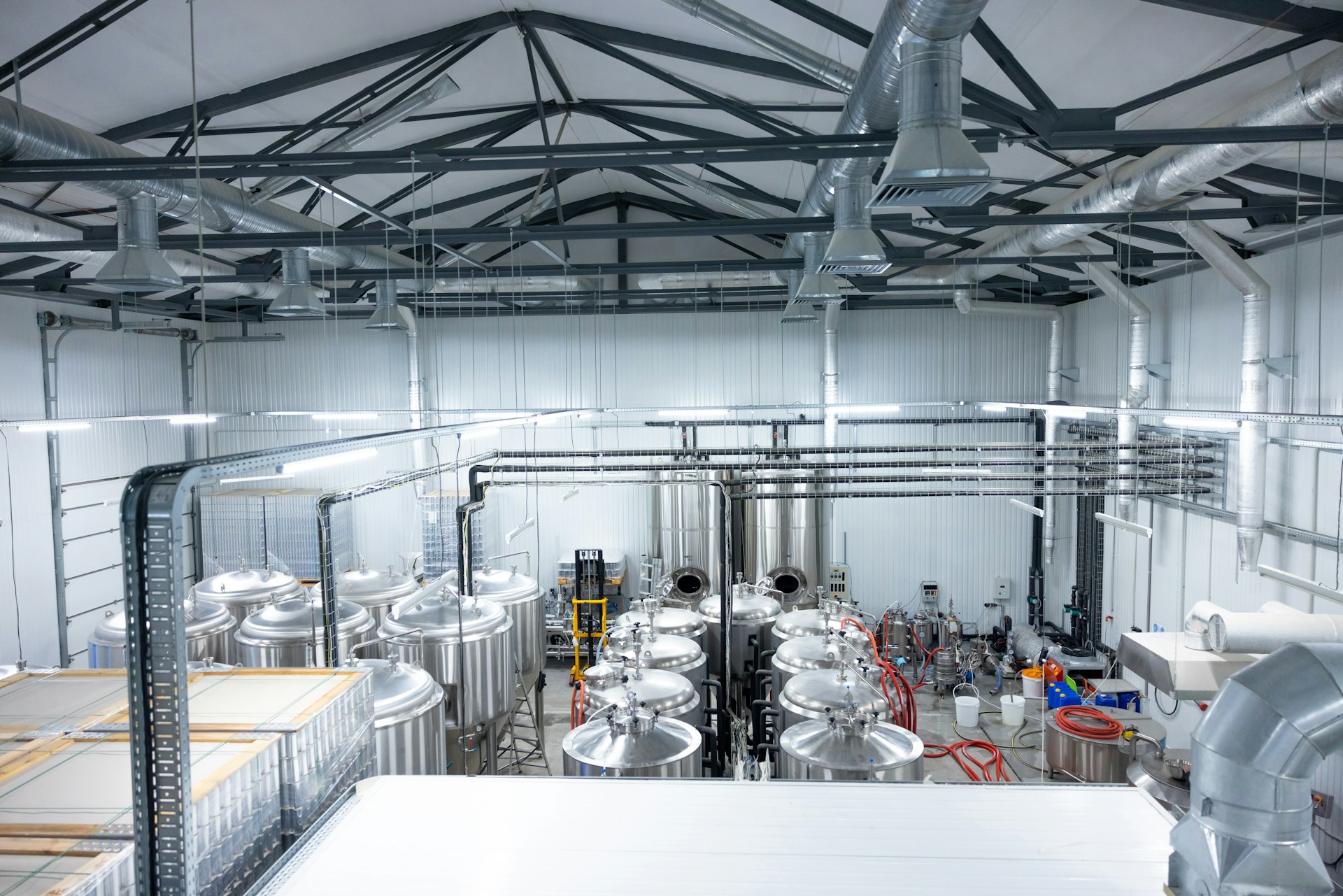
Tank cleaning isn’t something you can afford to ignore if you rely on your tank for water storage, chemicals or fuel. Left long enough without attention, tanks can build up layers of residue like sludge, algae or rust flakes. These don’t just look bad, they can start affecting the quality of what you’re storing and even damage internal surfaces. A dirty tank can lead to blocked outlets, strange smells or leaks that put your whole system at risk.
That’s where proper tank cleaning services play a key role. Cleaning a tank the right way boosts performance, stops issues before they grow and extends the life of the tank. Whether it’s for a small agricultural setup, an industrial plant or anything in between, knowing how to manage and clean a tank properly makes all the difference. Here’s what goes into a solid tank clean, from start to finish.
Preparing for Tank Cleaning
Being organised before getting started helps everything go smoother and keeps your crew safe. Tank cleaning done without proper prep can lead to missed areas, lost time or even injuries.
Here’s what needs to happen before the actual clean begins:
1. Drain the tank fully – Remove all remaining liquid and give the tank time to air out. This helps reduce slip hazards and makes the space easier to access. It’s especially important for fuel or chemical tanks due to dangerous vapours.
2. Check for hazards – Enclosed or partially closed tanks can trap harmful gases. Good ventilation is important. Be aware of what was last stored to understand any risks.
3. Inspect access points – Make sure all hatches, manholes or openings are safe to use. Confirm there’s enough room for equipment and for any personnel entering the tank.
4. Use safety gear – Depending on the type and condition of the tank, you might need gloves, splashproof suits, boots, eye protection or masks. Don’t take shortcuts when it comes to safety.
5. Set up lighting – Dim or uneven lighting makes it hard to spot grime and build-up. Portable sealed LED lights or headlamps work well and improve visibility.
Before starting the clean itself, take detailed notes or photos of crusted areas, rust, or anything unusual. This information helps track the tank’s condition over time and gives you a baseline for future work.
We’ve seen cases where rushing prep caused major setbacks. One site tried flushing dirt from an older water tank without checking the outlet pipe. Debris clogged the system, causing delays and extra repair costs. A simple pre-check would’ve saved time and money.
Planning ahead and ticking off the preparation steps delivers better results and safer working conditions.
Effective Cleaning Techniques Explained
Once your tank is drained and ready, it’s time to clean. The method you choose depends on the tank’s material, the type of residue left behind and the last contents. Each method has its own uses and benefits.
1. Mechanical Cleaning
This method uses physical scrubbing or pressure to remove stuck-on grime.
– Ideal for tanks with thick layers of scale, corrosion or residue
– Tools may include rotary brushes, power washers or vacuum systems
– Often used on larger tanks that allow manual access
2. Chemical Cleaning
Cleaning agents are used to dissolve or lift oils, film or hardened grime.
– Works well for chemical, oil or fuel tanks where brushing may not be safe
– Choose cleaning agents that won’t harm the tank’s surface
– Rinse and neutralise the tank properly before using it again to avoid contamination
3. Manual Cleaning
Sometimes, nothing beats getting in close with hand tools for a detailed clean.
– Best for smaller tanks or tricky areas machines can’t reach
– Slower process but allows you to catch surface damage early
– Useful when cleaning around fittings or in corners
Often, a good result comes from combining methods. For instance, you might start with a chemical soaking agent to loosen material, follow up with mechanical scrubbing to remove bulk residue, then finish with a manual inspection and touch-up of corners or uncommon spots.
Before using any cleaner or tool, double-check that it’s right for the tank material and contents. Using the wrong product can damage coatings or wear down internal surfaces.
Always start small. Test equipment on a less visible area of the tank before going all in. Even well-made gear can fail if it’s mismatched or worn out. Things like cracked pressure hoses or dull scrubbers can slow things down and cause safety risks.
Patience matters here. Take your time and work where needed to get a complete, damage-free clean.
Common Challenges and Solutions During Tank Cleaning
Even with good prep and cleaning gear, there are still a few hurdles you’re likely to face during tank cleaning. Being ready for them helps things go faster and delivers better outcomes.
One common hurdle is stubborn residue. Sometimes sludge or built-up scale won’t shift with a standard scrub. Trying to scrape too hard can scratch or weaken the surface. It’s better to soften the grime with warm water, chemicals or a soaking period. Certain stains might need a second round of cleaning if it’s tough chemical or oil-based residue.
Another problem is getting into all the areas within the tank. Curved surfaces, corners or multi-compartment tanks leave awkward spaces that are hard to reach. In this case, using adjustable tool handles, flexible cleaning rods or rotating pressure heads can help. These extras may seem minor but do a lot to reduce missed spots.
Some tank owners struggle with algae or mould that returns quickly, especially in water tanks. This is often about more than just poor cleaning. Seals, sunlight, and air flow all play roles too. Upgrading your light blocking (or sealing small cracks that let light in), inspecting old gaskets, and improving airflow help prevent growth. Safe additives, when allowed, can also reduce the speed of return build-up.
If dirt and grime keep showing up too often between cleans, your system may be allowing in dirty input or not draining well enough. Having a better inlet filter or reworking drainage can keep tanks cleaner for longer.
One real-world example: a remote site in regional Queensland had hard white deposits showing up every few months inside their water tank. Despite consistent cleaning, the issue kept returning. After investigating, the cause was found to be mineral-heavy bore water. Switching to another filtration method on intake helped reduce the deposits and made each clean easier from that point onward.
No tank is perfect, so adapt your cleaning process based on how your system behaves over time.
Post-Cleaning Procedures That Actually Work
Getting the tank clean is just the middle of the job. The steps after cleaning matter just as much and play a big role in whether the clean lasts and the tank stays in good shape.
Rinsing is step one. Make sure all cleaning agents and loosened sediment are flushed out. This includes folds, corners or baffled sections inside the tank. Spray the inside thoroughly and then empty the rinse water fully. Letting cleaning agent sit too long can create its own mess or even damage your liner or surface finish.
Once rinsed, allow the tank to dry completely. Moisture gets trapped easily, especially deep at the bottom of the tank or under baffles. Good air circulation is key. Use portable fans if there’s no natural airflow. On smaller tanks, a slight tilt or sump-based draining helps drain off last water residue.
After drying, inspect the full interior. This is where having lighting earlier pays off. Look extra closely for:
– Missed build-up in the seams or welds
– Small defects or cracks that weren’t visible before cleaning
– Worn seals that might have lifted or cracked
Catching surface damage or wear early helps avoid leaks or failures later. Tanks that are regularly cleaned will show manageable wear. If something looks off or aged faster than expected, it might be a sign to book an inspection or liner repair.
To keep the tank clean longer, plan a schedule based on what you store and how often it runs. Occasional-use water tanks will build up differently than high-use chemical tanks. Good upkeep reduces how dirty it gets between deep cleans and light checks can help spot problems early.
Rinse, dry, inspect and monitor. Don’t let all the hard work go to waste by skipping these final checks.
Why Professional Tank Cleaning Services are Worth It
Doing the job right often means calling in people who do this sort of work every day. Professional tank cleaning services go past just surface-level cleaning.
Here’s why a pro service is often the better choice:
– They use the right tools for each tank type and residue
– They work faster, safer and more thoroughly
– They identify surface damage or wear you might otherwise miss
– They follow safety rules to protect both the site and the people
DIY cleaning might seem simple, but when tanks get large or involve risky materials, mistakes can lead to bigger costs. Professional crews are also trained to clean tanks that don’t have easy access, unusual shapes or higher health risks.
ATM Tanks offers expert cleaning solutions that match both everyday and higher-complexity tanks. We customise our service based on your tank set-up, so you only pay for what you need and get peace of mind knowing it’s done right.
Keeping Your Tank in Top Condition
Tank cleaning isn’t a once-and-done task. It requires planning, the right methods, and follow-through. Starting with strong prep, using proven cleaning techniques and finishing with the right post-clean steps makes sure the tank continues working like it should.
A clean tank lasts longer, works more efficiently and avoids problems that can affect storage quality or safety. Whether you manage water supplies, liquid chemicals or anything in between, regular tank cleaning helps you stay on top of your system performance. For larger tanks or tougher cleaning jobs, professional services bring reliability and convenience that saves time and worry.
For a dependable solution that keeps your tanks in top shape, explore our expert tank cleaning services. At ATM Tanks, we’re here to help prevent issues before they escalate, ensuring your systems run smoothly and safely. Whether it’s a fresh start or regular upkeep, our services make sure you’re always ready for what’s next.

- How Tank Inspections Can Prevent Emergency Cleanups - January 11, 2026
- Tank Waterproofing Tips for Mid-Summer Rain Surges - January 11, 2026
- When to Repair a Cracked Steel Tank Before It Leaks - January 11, 2026