


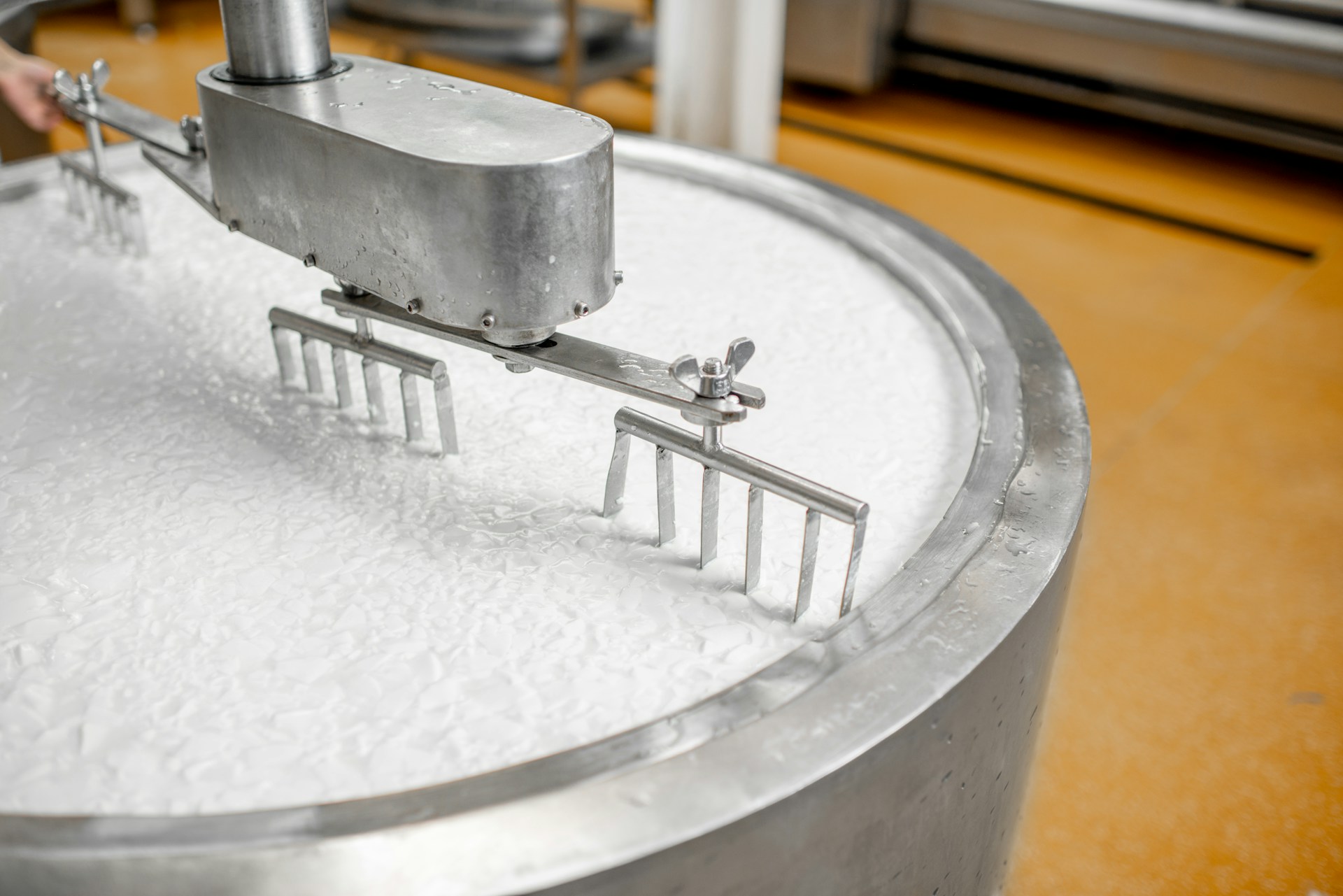
Maintaining hygiene and safety standards in food processing tanks is incredibly important to ensure the quality and safety of the food products being manufactured. Contaminants can easily find their way into tanks, jeopardizing the entire production process and ultimately the health of consumers. Effective cleaning and maintenance play critical roles in upholding these standards. By keeping tanks clean and contaminant-free, factories can avoid potential health hazards and preserve the integrity of their production operations.
Cross-contamination is a serious concern in the food industry. When foreign substances mistakenly mix with products, it can lead to safety risks and product recalls. This is where industrial tank cleaning becomes highly relevant. Regular professional cleaning helps eliminate residues and harmful microbes that could affect the quality of food stored or processed within these tanks. Ensuring that tanks are thoroughly cleaned is not just about compliance—it’s about safeguarding the final product and maintaining a strong reputation for quality.
Common Causes of Cross-Contamination
Cross-contamination happens when substances that shouldn’t mix together come into contact. In food processing tanks, this usually stems from a few key issues:
1. Improper Handling: Mishandling materials or equipment can lead to unwanted residues. For example, using the same tools for different products without proper cleaning can easily spread contaminants.
2. Residue Buildup: Over time, even small amounts of food left behind can build up and become a hotspot for bacteria. This is often seen in tanks that aren’t cleaned regularly or thoroughly.
3. Microbial Growth: High moisture and organic material inside tanks are perfect breeding grounds for microbes. If not controlled, these microbes can quickly spread and cause significant contamination issues.
Food processing tanks can be susceptible to a variety of contaminants. These include biological hazards like bacteria and mold, as well as chemical residues from cleaning agents if not properly rinsed. Addressing these causes proactively is the best way to prevent cross-contamination from affecting your operation. By understanding and mitigating these risks, it becomes much easier to maintain a clean and sanitary environment within your tanks.
Effective Industrial Tank Cleaning Solutions
Having a clean tank isn’t just luck of the draw; it’s the result of structured, professional cleaning efforts. Trusting skilled industrial tank cleaning services is smart. These experts know how to tackle stubborn residues and manage potential contaminants. They bring a depth of experience to the process, ensuring thorough cleaning plus mistake prevention.
There are various methods used in tank cleaning to keep cross-contamination at bay:
– Chemical Cleaning: Special cleaners dissolve residues, making removal easier. This approach is particularly useful for breaking down stubborn deposits that could pose contamination risks.
– High-Pressure Washing: Using high-pressure streams of water helps clean hard-to-reach or stubborn grime, ensuring no trace of contamination is left behind.
– Steam Cleaning: Ideal for sanitising the tank, steam cleaning eliminates bacteria and mould effectively. The heat from the steam reaches and cleans spots that water alone might miss.
Integrating a regular cleaning schedule for your tanks is really important. Frequent cleaning prevents buildup and keeps the contaminants from gaining ground. Employing a strategic plan that combines these methods helps maintain a high standard of cleanliness and protects against cross-contamination.
Best Practices to Prevent Cross-Contamination
Preventing cross-contamination involves more than just cleaning—it requires a well-rounded approach to maintenance. Here’s what you should consider:
– Rinse Thoroughly: Always ensure tanks are completely rinsed after use and cleaning to remove residues of both food and cleaning agents.
– Proper Storage: Keep all cleaning tools and equipment in a designated, clean area to avoid accidental contamination.
– Employee Training: Equip your team with knowledge about proper handling and cleaning techniques. Training arms them with the skills needed to keep work areas clean and efficient.
– Use Food-Grade Cleaners: Only employ cleaning agents that are safe for food-related use, ensuring no harmful chemicals taint products.
By implementing these best practices, the incidence of cross-contamination can be greatly minimized, leading to increased safety and quality of the food products processed in these tanks.
The Role of Regular Inspections
Routine inspections are an often overlooked yet crucial element in preventing contamination. A scheduled inspection plan allows you to pinpoint potential issues, like leaks or worn seals, before they escalate.
During inspections, watch for:
– Seals and Gaskets: Check these components to ensure they’re intact and watertight. Faulty seals are often culprits for leaks that invite contaminants.
– Valves: Inspect valves for smooth operation and absence of residue. Clogged or malfunctioning valves can obstruct cleaning efforts.
– Linings: Examine internal linings for wear. Damaged linings can harbour bacteria and make cleaning less effective.
By keeping a close watch on these critical parts, you can catch vulnerabilities early on and avoid the spread of unwanted contaminants within your tanks.
Expert Advice for a Clean and Safe Operation
Understanding the significance of promptly tackling cross-contamination issues can’t be stressed enough. If left unchecked, these issues can snowball into bigger problems that could jeopardize both safety and quality in food production. Investing time and resources into thorough cleaning and regular inspections makes your processes more resilient.
Outsourcing these services ensures you leverage expertise and equipment that may not be readily available in-house. Professionals offer a level of precision and experience that enhances both efficiency and effectiveness. This isn’t just about compliance; it’s about delivering excellence in food safety standards.
Ultimately, maintaining an unwavering commitment to cleanliness within your operations isn’t just about avoiding problems; it’s about laying a solid foundation for success and reputation.
Keeping your tanks clean and free from contaminants ensures both safety and quality in your food processing operations. To make this task more manageable, consider the benefits of a professional approach to industrial tank cleaning. ATM Tanks offers expertise you can rely on, providing thorough cleaning services that help maintain the integrity of your tanks. Discover how our comprehensive services can meet your cleaning needs and elevate the safety standards of your operations.

- How Tank Inspections Can Prevent Emergency Cleanups - January 11, 2026
- Tank Waterproofing Tips for Mid-Summer Rain Surges - January 11, 2026
- When to Repair a Cracked Steel Tank Before It Leaks - January 11, 2026