


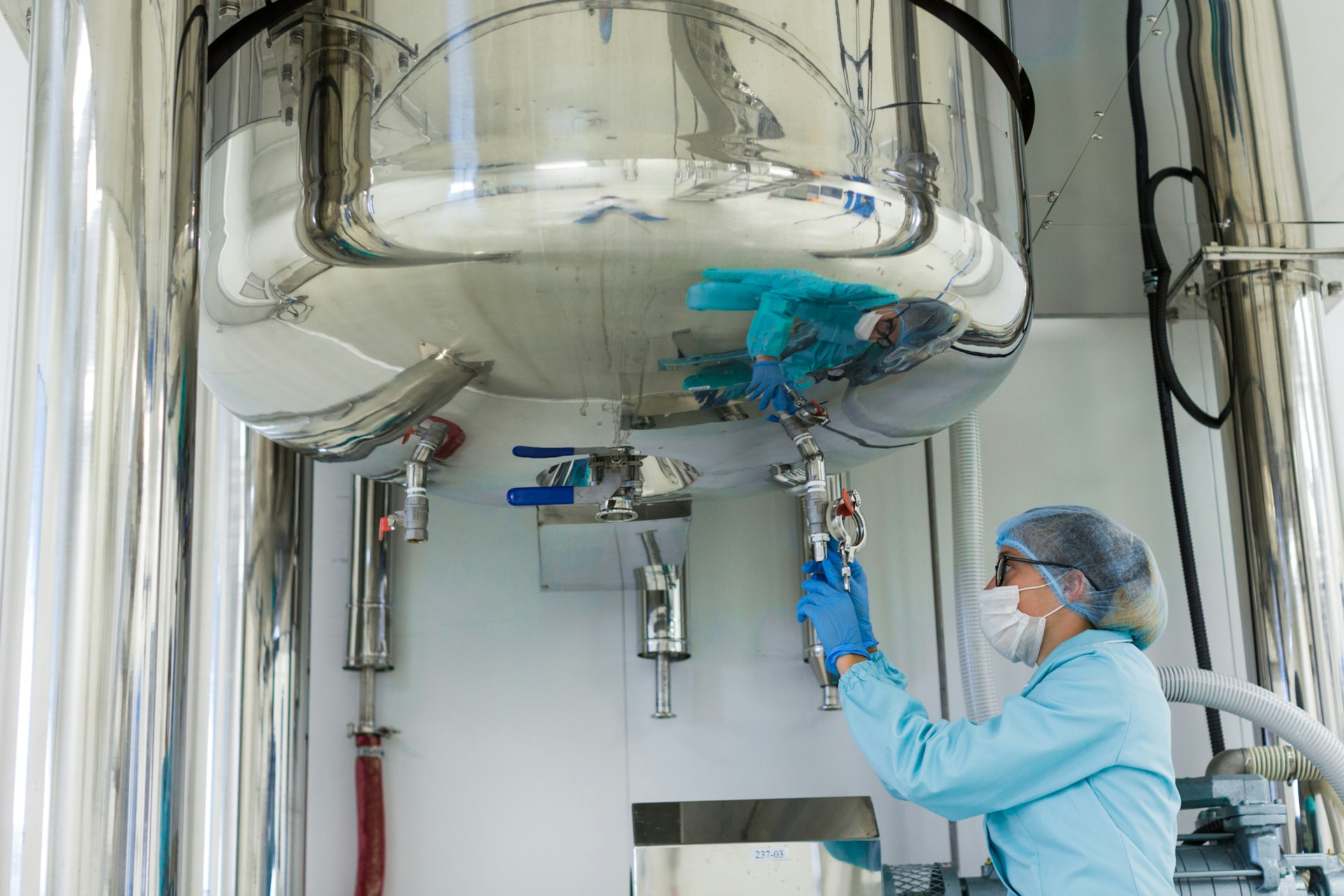
Tanks play a big part in keeping operations running, whether you’re storing water, chemicals or other liquids. But these systems won’t last forever if they’re left to run without care. One of the simplest ways to avoid big problems later is by sticking to a regular inspection routine. It’s not just about looking for leaks. It’s also about checking that the whole system is still doing what it’s supposed to.
Regular inspections work like a safety net. They help spot small things before they grow into far more expensive issues. When a tank is checked thoroughly and often, it tends to last longer and perform better. That means fewer breakdowns, less disruption, and more peace of mind for your team.
Key Benefits Of Regular Tank Inspections
When inspections are done regularly, you’re not just ticking a box. You’re actively protecting your tank, everything inside it, and the operations that depend on it. Here’s how inspections make a big difference:
– Avoiding costly damage: Regular checks can uncover loose fittings, cracked seams or growing rust patches well before they lead to major issues. Leaving these things for too long can result in leaks or structural failure.
– Meeting safety standards: Ongoing inspections help keep your tank up to code with industry or on-site safety requirements. Having to shut things down because of a failed compliance check can slow everything down.
– Stretching the life of your tank: When seals, liners and joints are in good shape, they don’t put extra strain on the tank. That reduces the chance of failure and keeps your tank running longer.
Let’s say you’re using a water tank on a farm. It’s been working fine for months, maybe even years. Then one day, you realise it’s not filling as quickly. A quick inspection reveals a cracked seal at the base. Fixing that seal on time avoids the risk of a full leak or costly repair later. And that’s exactly the kind of small issue that routine inspections are meant to catch.
Common Issues Detected During Inspections
One of the biggest benefits of regular inspections is spotting issues early. Tanks go through a lot over time. Exposure to weather, pressure shifts, ageing materials, and content types can all wear them down. Knowing what to expect helps sharpen your eye and lets you work faster with professionals when problems start becoming visible.
Here are some of the more common problems that get picked up during tank checks:
– Surface wear and tear: These might be small dents, scratches, or signs of abrasion. Over time, even minor surface damage can weaken the structure.
– Rust and corrosion: Metal tanks are especially vulnerable to moisture. If left alone, rust often spreads to other areas, weakening the tank from the inside out.
– Liner separation: Liners can pull away from the inside of the tank as the structure ages or pressure shifts. Once the liner starts to fail, leakage usually isn’t far behind.
– Cracks or stress points: Cracks often develop near handles, joints or fittings where stress builds up during everyday use.
– Discolouration or odour: A strange colour in the water, or an unusual smell, often signals that something’s not right inside the tank.
Some of these problems don’t always show up where you can easily see them. That’s exactly why thorough inspections matter. A cracked valve or peeling liner might not cause a huge issue immediately, but it is nearly always a sign of something going wrong. Catching it early means quicker, cheaper repairs.
Recommended Inspection Schedule And Practices
No two tanks wear the same way. Factors like weather, how often they’re used, the pressure they deal with, and even what’s stored inside can speed up wear. This is why the timing and frequency of checks matters just as much as doing them in the first place.
As a general guide, tanks should be inspected at least once each year. But depending on the tank’s job and material, it might need to be checked more frequently. For example, tanks that store chemicals or are exposed to big temperature changes will likely need more routine inspections than a simple rainwater tank.
Seasonal factors also play a part. Cold weather can lead to expansion and pressure shifts, while summer heat can dry out rubber fittings faster. It’s a smart idea to line up your inspection schedule with changes in season.
Here’s an example of a well-timed inspection routine:
– After any lengthy period of heavy use, check for signs of overloading or extra wear.
– Inspect bolts, seals, lids and visible surfaces at the start and end of each season.
– Every six months, look inside the tank for sediment buildup or changes in colour and smell.
– Once a year, or more if storing harsh materials, arrange a complete structural check by trained specialists.
– For closed or large tanks, use technology like Remotely Operated Vehicles (ROVs) to inspect hard-to-access sections.
Keeping a record of each inspection helps. When you compare results over time, patterns in damage or recurring problems are easier to spot. That also means you’re not relying on memory to track what’s been fixed and when.
The Role Of Professional Inspections
A surface-level DIY inspection might help you catch visible damage, but it usually won’t reveal the full picture. Many tank problems begin in places we can’t see or reach easily. That’s where bringing in professionals makes a real difference.
Trained inspectors know what early warning signs to look for. A subtle bubble under a tank liner or a faded patch could mean hidden problems to a professional eye. That kind of experience helps flag issues quicker, even if they look minor to everyone else.
Professional inspections also use better tools. That includes ROVs, ultrasonic sensors, and other specialised equipment that can reach inside enclosed spaces or detect damage beneath the surface. These checks give a deeper view of how your tank is holding up.
There’s also value in the paperwork professionals provide. Their reports help build a maintenance history and can be useful for insurance, upgrades or audits. If you ever need to prove your tank’s condition or get future works approved, those records come in handy.
Having a regular service contract also takes the stress out of managing tank health yourself. When you’re already balancing multiple site responsibilities, handing this task off to experts saves time and gives you one less thing to worry about.
Keeping Your Tank In Top Shape All Year Round
Regular tank inspections aren’t just helpful, they’re one of the best ways to prevent breakdowns and expensive replacements. Missing a single check can mean overlooking rust hidden around a bolt or spotting liner damage only after it lets water escape.
Planning inspections into your routine keeps everything simpler. Think of it the same way you treat a car service. A tank is no different. The earlier you spot problems, the longer it’ll last, and the less likely it is you’ll need to spend big on repairs down the track.
Inspections aren’t just about looking after your tank. They’re about protecting the processes, people, and systems that rely on the tank to function properly. When something goes wrong with it, everything tied to it takes a hit.
So, whether you’re running a farm, managing a processing facility, or storing large volumes of fluid on site, inspections should never be treated as optional. By sticking to a steady check-up routine throughout the year, you’ll reduce the chance of failure, extend the performance of your equipment, and keep things running the way they should.
To keep your storage systems performing reliably and avoid unexpected issues, it’s a smart move to schedule regular tank inspections. ATM Tanks offers professional checks that help extend the life of your tank and support smoother day-to-day operations.

- How Tank Inspections Can Prevent Emergency Cleanups - January 11, 2026
- Tank Waterproofing Tips for Mid-Summer Rain Surges - January 11, 2026
- When to Repair a Cracked Steel Tank Before It Leaks - January 11, 2026