


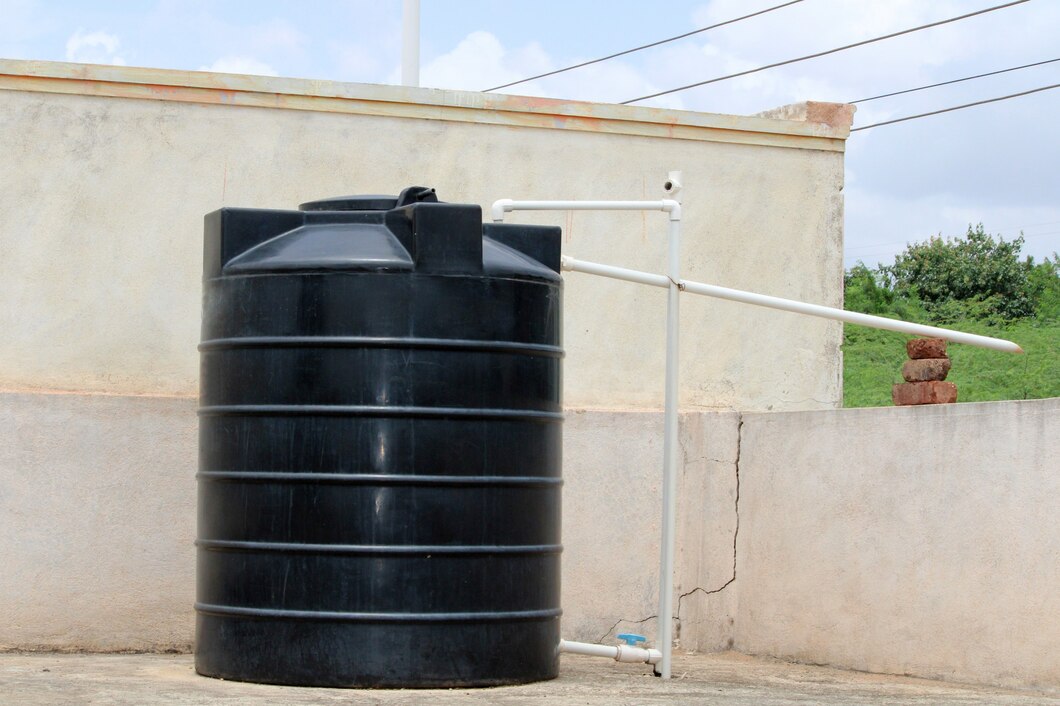
Waterproofing your tank is like giving it a protective shield against the challenges of weather and time. Think of a tank that isn’t waterproofed properly and how it might feel. Over time, small leaks and cracks could turn into big problems, much like how a minor scratch on a car, left untreated, allows rust to slowly form. Effective waterproofing helps prevent these issues, ensuring your tank stands strong and serves its purpose without unexpected disruptions.
Waterproofing doesn’t only preserve the tank’s structural integrity; it also guards what’s stored inside, whether it’s water, chemicals, or anything else. Picture this: your tank sitting through a rainy season or under the hot Australian sun without a solid defense. Eventually, the elements could take a toll on the tank’s health. Waterproofing acts as a reliable barrier, meaning fewer worries about leaks or damage down the line.
Understanding Tank Waterproofing
Tank waterproofing means applying specific materials or treatments to keep water from seeping into places it shouldn’t be. It’s like putting on a raincoat before a heavy shower. This keeps both inside and outside elements from causing damage. Waterproofing can come in handy for various types of tanks, whether they’re storing water, chemicals, or other liquids. A well-waterproofed tank stands up to environmental pressures and remains functional for longer.
The basic principles of tank waterproofing revolve around creating a barrier that moisture can’t penetrate. Here are some techniques often used:
– Membrane Coatings: These are applied over the tank’s surface and act as a shield, repelling water.
– Sealants: These fill up small gaps and cracks, stopping water from sneaking in.
– Protective Layers: Adding layers over the tank can boost its resistance to harsh conditions.
Choosing the right waterproofing method can make all the difference. For example, membrane coatings are ideal for tanks exposed to moisture regularly, while sealants might suit tanks needing crack protection.
Key Steps in Effective Tank Waterproofing
Proper waterproofing starts with evaluating the current state of your tank. Consider it like doing a health check before starting a fitness regime. Spotting potential issues early can save a lot of trouble. Look for:
1. Surface Condition: Check for rust, wear, or existing damage.
2. Cracks and Leaks: Inspect known weak spots that water might exploit.
3. Previous Waterproofing Residues: Determine whether past waterproofing attempts were effective or need redoing.
Once you know where things stand, choosing the right materials becomes important. Some options include:
– Liquid Rubber: Offers flexibility and durability.
– Cementitious Coatings: Great for structural tanks needing strong protection.
– Polyurethane Liquids: Known for their resistance to diverse weather conditions.
The application process follows these steps:
1. Surface Preparation: Clean the tank surface, removing dirt and old coatings to allow for a fresh start.
2. Applying the Coating or Sealant: Carefully and evenly cover the surface to ensure no areas are left exposed.
3. Allowing Proper Drying Time: This step is crucial for the waterproofing to fully set and adhere to the tank.
Implementing these steps with care and attention positions your tank to withstand the elements. By choosing the right materials and following a detailed application method, you ensure your tank remains robust and serviceable, reducing the risk of damage and prolonging its service life.
Common Mistakes to Avoid
Even with the best intentions, mistakes in tank waterproofing can happen, and they can lead to unnecessary costs and headaches. Knowing what to look out for helps you keep these errors at bay. One of the most frequent pitfalls is using unsuitable materials. Each tank and its environment have specific needs, requiring materials tailored to those conditions. Another mistake is poor surface preparation. Applying waterproofing over dirt, old coatings, or rust reduces its effectiveness.
Here’s a quick look at some errors to steer clear of:
1. Rushing the Prep Work: Skipping thorough cleaning or inspections can leave hidden issues.
2. Choosing the Wrong Product: Opting for materials not suited to the tank’s exposure or use conditions.
3. Inadequate Drying: Failure to allow enough drying time means the waterproofing layer may not adhere properly.
By taking your time and paying close attention to these areas, you can significantly improve the effectiveness of your waterproofing efforts. It’s wise to consult with a professional to ensure you’re on the right track; they can catch mistakes that might otherwise go unnoticed.
Maintenance Tips for Long-Lasting Waterproofing
After successfully waterproofing your tank, the journey doesn’t end there. Maintenance is key to keeping that protective layer intact and functional over the years. Regular inspections allow you to catch wear and tear early and address any issues before they escalate.
Here’s how you can maintain your waterproofing efficiently:
– Set a Routine for Inspections: Schedule regular maintenance checks, focusing on signs of damage or erosion.
– Address Problems Immediately: If you find cracks or peeling, don’t put off repairs.
– Keep the Surface Clean: Clean the tank regularly to avoid the buildup that can degrade the waterproofing.
Implementing these measures not only extends the life of your waterproofing, but also ensures the contents of your tank remain secure. Proper upkeep is a small investment for significant peace of mind.
Summing It Up
Waterproofing is an integral part of tank maintenance. It shields your tank against the elements, preserving both its form and function. By understanding the process and taking a proactive approach to both application and maintenance, you ensure long-lasting protection.
As you’ve seen, effective waterproofing involves careful preparation, choice of materials, and diligent upkeep. Avoiding common mistakes and being consistent with maintenance helps prevent costly repairs. In the end, investing in waterproofing safeguards your tank for years to come, protecting both your property and peace of mind.
To ensure your tank remains protected, consider professional services for tank waterproofing that can prevent costly damages and prolong the tank’s lifespan. ATM Tanks is dedicated to providing the expertise needed to safeguard your investments against the challenges posed by the environment. Trust that with the right waterproofing, your tanks will serve you well for years to come.

- How Tank Inspections Can Prevent Emergency Cleanups - January 11, 2026
- Tank Waterproofing Tips for Mid-Summer Rain Surges - January 11, 2026
- When to Repair a Cracked Steel Tank Before It Leaks - January 11, 2026