


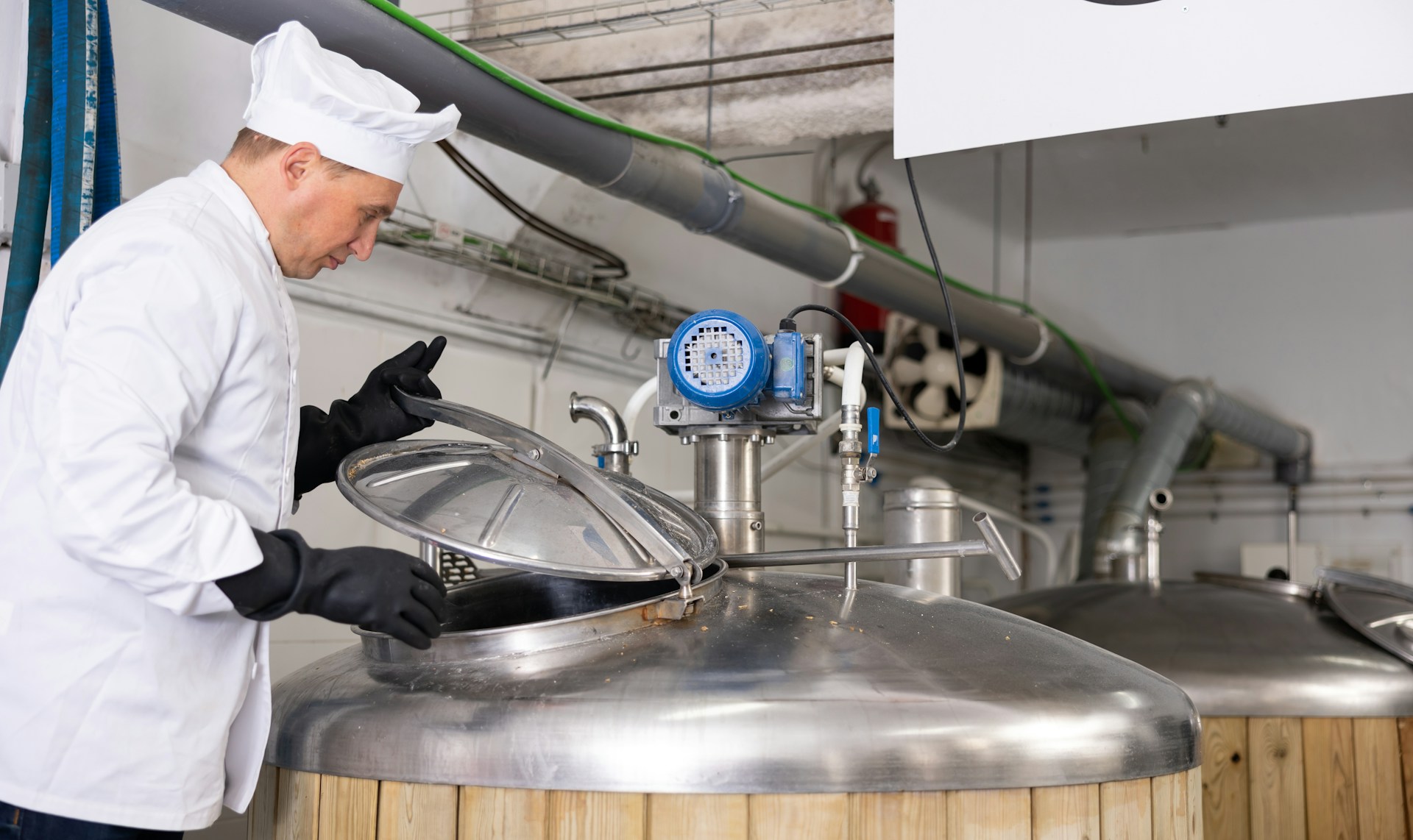
Tank liners don’t always get the attention they deserve, but they’re doing a lot of heavy lifting behind the scenes. Whether your tank stores water, chemicals, or fuel, the liner is your first line of defence against leaks and internal damage. Over time, liners can wear down. If they’re not looked after properly, they can lead to costly repairs or even full replacement of the tank. That’s why keeping a regular maintenance schedule is one of the smartest things you can do.
Taking care of your tank liner doesn’t have to be complicated. A good mix of regular inspections, timely cleaning, and quick repairs can go a long way. But if you’re unsure where to start or how often things should be done, we’ve put together a simple breakdown of what to watch for and how to stay ahead of trouble. By understanding what your tank liner needs, you’ll be saving yourself a lot of time, money, and stress down the track.
ATM Tanks works closely with clients across Australia and the Pacific to design, install, service, and repair above ground tanks. With proper care, tank liners can last for years without trouble, and our team helps ensure they do just that.
Identifying The Right Maintenance Schedule
Having a tank liner is one thing. Knowing when and how often to check in on it is what really keeps things running smoothly. Finding the right maintenance schedule depends on a few key factors.
First, think about what’s inside your tank. Water is usually less aggressive than chemicals or fuel, so some liners can last longer between services. But if you’re storing something that’s highly corrosive or reacts to environmental changes, you’ll need to check on your liner far more regularly.
Second, consider the surroundings. A tank out in the open, exposed to sun and wind, will age differently than one sheltered inside a building. Even temperature swings from day to night can impact the liner’s condition.
Here are a few things to build your maintenance schedule around:
– Tank usage: The more you use the tank, the faster the liner may wear down
– Tank contents: Harsh materials accelerate wear and may cause unexpected damage
– Environmental conditions: Wind, dust, UV rays, and rain all chip away at the liner over time
– Age of liner: Older liners will need to be checked more often, since wear can speed up as they get close to the end of their life
Once you know what’s influencing your liner’s performance, you can set check-ins for monthly, quarterly, or annual maintenance. For example, someone running a tank full of drinking water in moderate conditions might manage with twice-yearly inspections. But someone storing acidic waste may need to take a look almost every month. What matters is sticking to a plan and keeping records, so problems aren’t left too long unnoticed.
Essential Maintenance Tasks
Keeping your tank liner working well doesn’t mean making it complicated. A few regular tasks can catch problems early and stretch out the life of the liner.
Start with a full visual inspection. You’ll want to look for signs like bubbling, cracking, or discolouration. Any odd smells or changes in the fluid inside could suggest the liner’s starting to break down. Use a torch to check hard-to-see areas, especially seams and corners where damage often starts.
Cleaning the liner is just as important. If you’re storing water, things like dust, algae, or other build-up can stick to the liner and wear it out over time. Depending on what’s stored in the tank, you may need special cleaning agents that don’t react with the liner material. Steer clear of harsh tools or chemicals unless you know they’re safe for your specific liner type.
While checking or cleaning, keep an eye out for:
– Small punctures or holes
– Faded or stretched out sections
– Loose seams or lifted edges
– Sticky or soft patches under pressure
If anything above shows up, a repair might be needed right away. Leaving small issues unchecked can lead to bigger failures, especially if your tank holds materials under pressure. It’s far easier and cheaper to handle a single patch than deal with leaks or service shutdowns. Let an expert decide the best repair method. Some liners need welding, others may require patches or replacement of a small section.
Regular inspection, careful cleaning, and acting quickly when issues appear will keep your tank liner in solid shape for years. The fewer skips in routine care, the more dependable the entire system becomes.
Choosing Professional Maintenance Services
Sometimes, knowing when to bring in experienced help makes all the difference. Tank liners aren’t simple surfaces you can patch with tape or clean with the same solution used for your car. The wrong product or repair job can cause more harm than good. That’s where a specialist team becomes important. They know the material, the risks, and the right steps to prevent smaller issues from becoming bigger ones.
One of the big benefits of working with trained professionals is their ability to spot things that might be missed during routine checks. A liner might seem fine on the surface, but a trained eye can catch early signs of stress or breakdown. Once detected, they can recommend the best way forward, whether that’s a targeted repair, a liner adjustment, or a full replacement if needed.
When choosing a maintenance provider, keep the following in mind:
– Are they familiar with your tank type and liner material?
– Do they use safe, industry-approved cleaning tools and chemicals?
– Can they offer both inspections and repairs, not just a one-off service?
– Do they provide written inspection reports or maintenance logs?
– Are repairs guaranteed for a certain period or backed by manufacturer advice?
A reliable provider doesn’t just fix things. They work with you on a maintenance approach that suits your tank’s conditions. Whether your system runs around the clock or operates seasonally, it helps to work with a team that understands your site’s needs without turning it into a headache. Having the same provider return for future checks also builds familiarity and trust, which makes servicing quicker and more reliable over time.
Avoiding Common Maintenance Mistakes
Even with the best intentions, there are a few things that can go wrong during tank liner maintenance. These mistakes can shorten the lifespan of your liner or lead to bigger headaches later.
One of the most common ones is dismissing small faults. A tiny crease, bubble, or lifted edge might not seem like much now, but these are often early warning signs. If moisture gets behind the liner or if it starts separating from the inner wall, the damage can add up fast. Small repair needs are far easier and more affordable than waiting for failure.
Another slip-up lies in cleaning. Using tools that are too rough or chemicals that are too strong can break down the protective properties of the liner. Even using too much pressure while scrubbing can cause micro-tears or surface damage that’s not always visible but leads to weakness over time.
Lastly, skipping over manufacturer guidance can make matters worse. Liners are made from different materials—PVC, polyethylene, butyl rubber—and each one has its own handling requirements for cleaning and repairs. Ignoring these specifics just adds risk where it’s not needed.
To stay on track, avoid these three missteps:
1. Skipping over minor visible damage until it spreads
2. Using the wrong cleaning agents, methods, or too much force
3. Disregarding maintenance recommendations specific to your liner
Knowing what not to do is just as helpful as knowing what to do. It helps avoid surprise repairs, keeps costs down, and lets the liner do its job without interruption.
Long-Term Care Means Less Stress
Making sure your liner stays in good condition doesn’t have to feel like a full-time job. With a basic routine of inspection and cleaning supported by timely professional checks, your tank system can run without sudden stops or nasty surprises. What matters most is consistency. Set up a schedule that matches your tank’s setup, environment, and usage, and stick with it. Noticing changes early makes all the difference.
Even systems built for industrial use benefit from ongoing care, just like small tanks in households or farms. It doesn’t matter how simple or complex the tank is—the same maintenance habits apply. A well-looked-after liner gives better performance, reduces worry, and avoids preventable shutdowns.
Whether your tank holds water, chemicals, or fuel, a bit of regular care saves money, time, and trouble in the long run. Stay proactive. Bring in professionals when needed. Your liner will keep doing its job—and you’ll avoid bigger problems down the track.
Caring for your tank liners is all about routine checks and prompt repairs to keep your storage systems working efficiently. Whether you’re dealing with water, chemicals, or fuels, regular upkeep is key. If you’re ready to ensure your system remains durable and performing at its best, explore how tank liners from ATM Tanks can support long-term reliability and protection where it counts most.

- How Tank Inspections Can Prevent Emergency Cleanups - January 11, 2026
- Tank Waterproofing Tips for Mid-Summer Rain Surges - January 11, 2026
- When to Repair a Cracked Steel Tank Before It Leaks - January 11, 2026