


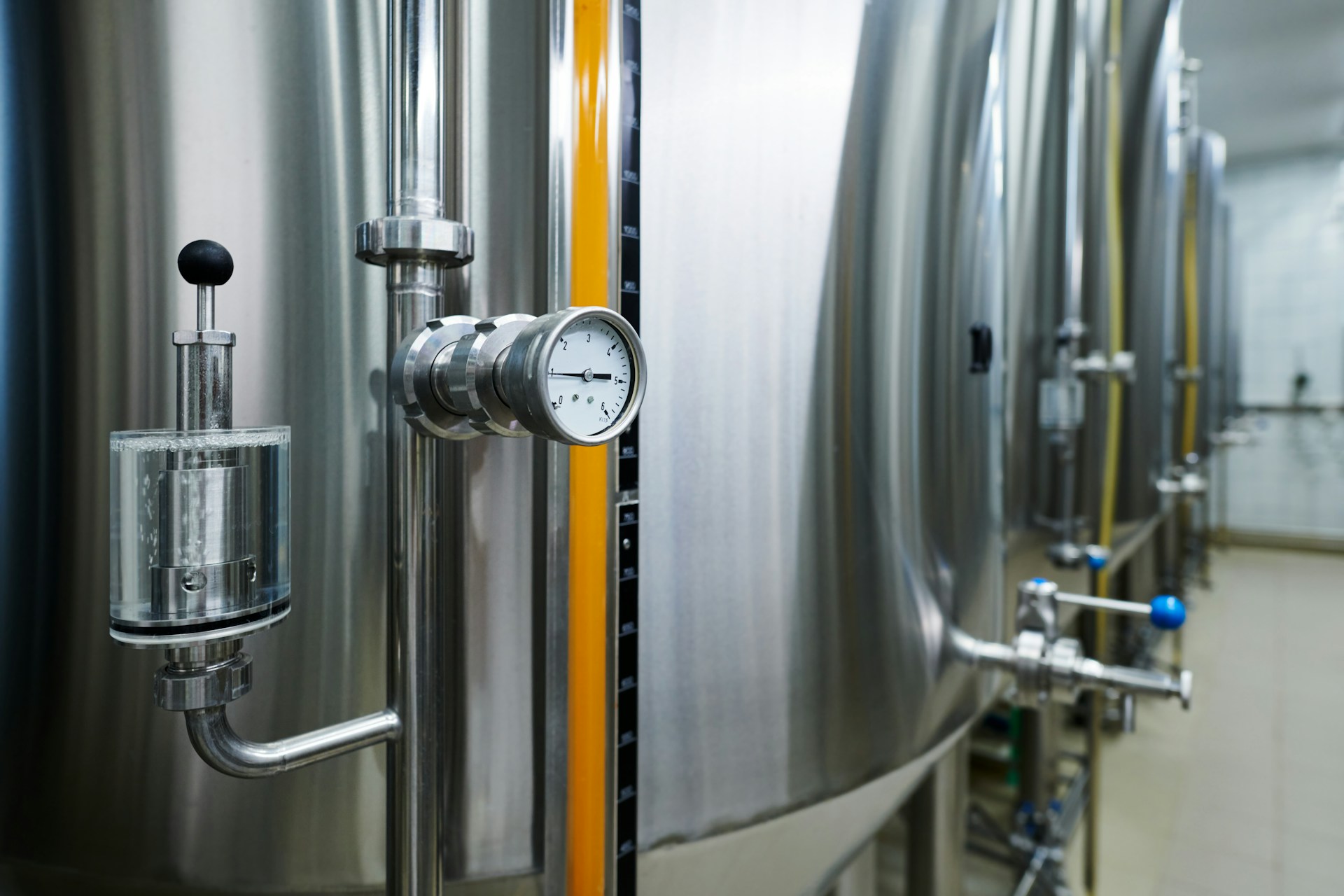
Industrial tank cleaning might not seem like the most riveting topic, but it’s incredibly important for keeping operations running smoothly. Picture a gigantic holding tank that’s filled with a mix of liquids. Now, over time, all sorts of unwanted materials can end up in there—like sediment or rust—making the tank less effective. That’s why regular cleaning is key. Without it, tanks may start causing problems, like reduced capacity or even unexpected shutdowns. Getting ahead of these issues means maintaining performance and preventing future headaches.
When tanks aren’t cleaned regularly, they can run into a lot of trouble. Think about all the gunk that settles at the bottom or clings to the sides—things like debris, rust, even algae. If ignored, these can mess with the integrity of the tank and the quality of what’s stored inside. By tackling these issues head-on, and regularly, you can extend the life of your tanks and keep them operating at their best. Let’s dig into some of the common issues that can be found during industrial tank cleaning.
Common Debris and Sediment Accumulation
Over time, debris and sediment naturally build up inside industrial tanks. It’s like leaving a glass of water out in the open—you’ll find dust and particles settling at the bottom eventually. For tanks, this sediment can come from anything floating in the stored liquid or from environmental exposure. When left unchecked, these accumulations can significantly impact a tank’s performance and storage capacity.
Imagine trying to fill a cup that has pebbles at the bottom. No matter how much liquid you pour in, it won’t hold as much as an empty cup would. Similarly, sediment buildup reduces the effective capacity of tanks. It can also lead to clogging in the pipes, making the system sluggish and inefficient. Nobody wants their operations slowed down because of something as simple as sediment.
Regular tank cleaning benefits include:
– Maximizing storage capacity by removing built-up sediment.
– Ensuring the purity of the stored liquid by eliminating contamination sources.
– Preventing early wear and tear caused by sediment abrasions.
– Enhancing overall system efficiency by eliminating blockages.
It’s clear that routine cleaning helps manage these issues effectively, keeping tanks in peak condition and saving potential repair costs down the line.
Corrosion and Rust Formation
Rust and corrosion are like the silent troublemakers of the tank world, creeping in and causing problems if ignored. Corrosion occurs when metal in the tank reacts with elements like water and air, leading to rust. This reaction eats away at the metal, weakening the tank and making it vulnerable to leaks or breakage.
A rusty old bicycle left in the backyard comes to mind. Over time, the colors change, and parts become brittle. The same can happen in tanks. As rust forms, its uneven surface can create patches with different levels of strength, threatening the tank’s structural integrity.
Regular cleaning here is like polishing that old bike, removing the corrosive elements before they can do any real damage. During the cleaning process, professionals use specific chemicals and techniques to treat and prevent rust, ensuring that the tanks stay strong and safe for whatever they’re holding. Regular maintenance minimizes risks and keeps the tanks working properly longer by addressing corrosion before it becomes a major issue.
Biofilm and Algae Growth
Biofilm and algae might sound like science fiction villains, but they’re real challenges in tank maintenance. These microscopic organisms thrive in damp conditions and often find a cozy home in industrial tanks. Picture a thin, slimy layer that coats the inside surfaces of tanks—this is biofilm at work. Once it takes hold, it attracts even more microorganisms, creating a persistent cycle.
Algae and biofilm cause a variety of issues. First, they can contaminate the contents of the tank, altering the stored liquid’s quality. These organisms also block access to key sensors and decorative coatings, disrupting tank operations. Removal is vital, as letting them thrive can create long-term issues and turn your tank into a breeding ground for more extensive problems.
Effective cleaning practices involve several steps. Regular scrubbing removes these organisms and prevents them from regrouping. Combining mechanical cleaning with specially formulated chemical treatments ensures long-lasting results. These treatments not only clear away existing biofilm and algae but also prevent their reappearance. Simple vigilance, routine maintenance, and professional cleaning services help keep these microscopic invaders at bay.
Blockages and Flow Restrictions
Blockages are another frequent headache for tank owners. Similar to clogged pipes in your house, tanks can suffer from blockages caused by accumulated sludge and debris. When pipes get clogged, water doesn’t flow as smoothly, right? The same principle applies to tanks, affecting their overall functionality and efficiency.
Blockages typically arise from the accumulation of leftover impurities that settle over time. These deposits disrupt the smooth flow of liquids, leading to inefficiencies and increased energy consumption as systems work harder to maintain normal operations.
Fortunately, there are methods to tackle and prevent these blockages. Advanced cleaning techniques like hydro jetting effectively clear out stubborn deposits. Another practical approach is regular tank assessments by professionals, who can identify potential trouble spots before they escalate. By maintaining a clear path for liquid flow, you ensure the system stays efficient and reliable.
Structural Damage and Cracks
Without proper maintenance, tanks can suffer from structural damage and cracks as they age. Even minor cracks can evolve into major leaks, causing significant issues and potential downtime. Just like small cracks on a windscreen need immediate attention before they spread, so do those in tanks.
Structural damage often results from prolonged exposure to harsh conditions or the natural wear and tear of materials over time. When these problems are overlooked, they can compromise the tank’s safety and reliability, leading to hazardous situations.
Inspection processes during cleaning sessions are crucial for spotting and addressing these issues. Regular assessments using advanced imaging techniques can reveal hidden flaws. Early detection allows for repairs before a small issue turns into a critical failure. Regular maintenance and a careful eye go a long way in keeping tanks sturdy and dependable.
Keeping Your Tanks in Top Shape
Consistent attention to your tanks keeps them in prime condition and prevents a host of potential issues. By routinely addressing debris, corrosion, and biofilm, you’re not just prolonging the life of your tanks but also ensuring that they perform optimally every day. These corrective measures ultimately save you more costs and stress in the long run.
Emphasising regular cleaning and maintenance is more than just a good practice—it’s key to maintaining a smoothly operating system. With a combination of professional cleaning, regular checks, and preventative strategies, you can avoid unexpected problems and maintain your tanks’ integrity well into the future. Regular attention to these critical areas will keep your tanks dependable, efficient, and in excellent shape.
To ensure your tanks remain in excellent working order and avoid costly disruptions, it’s wise to prioritize regular cleaning. Discover how ATM Tanks can assist with your industrial tank cleaning needs. With professional care, your tanks will run efficiently and last longer, providing reliable service for years to come.

- How Tank Inspections Can Prevent Emergency Cleanups - January 11, 2026
- Tank Waterproofing Tips for Mid-Summer Rain Surges - January 11, 2026
- When to Repair a Cracked Steel Tank Before It Leaks - January 11, 2026