


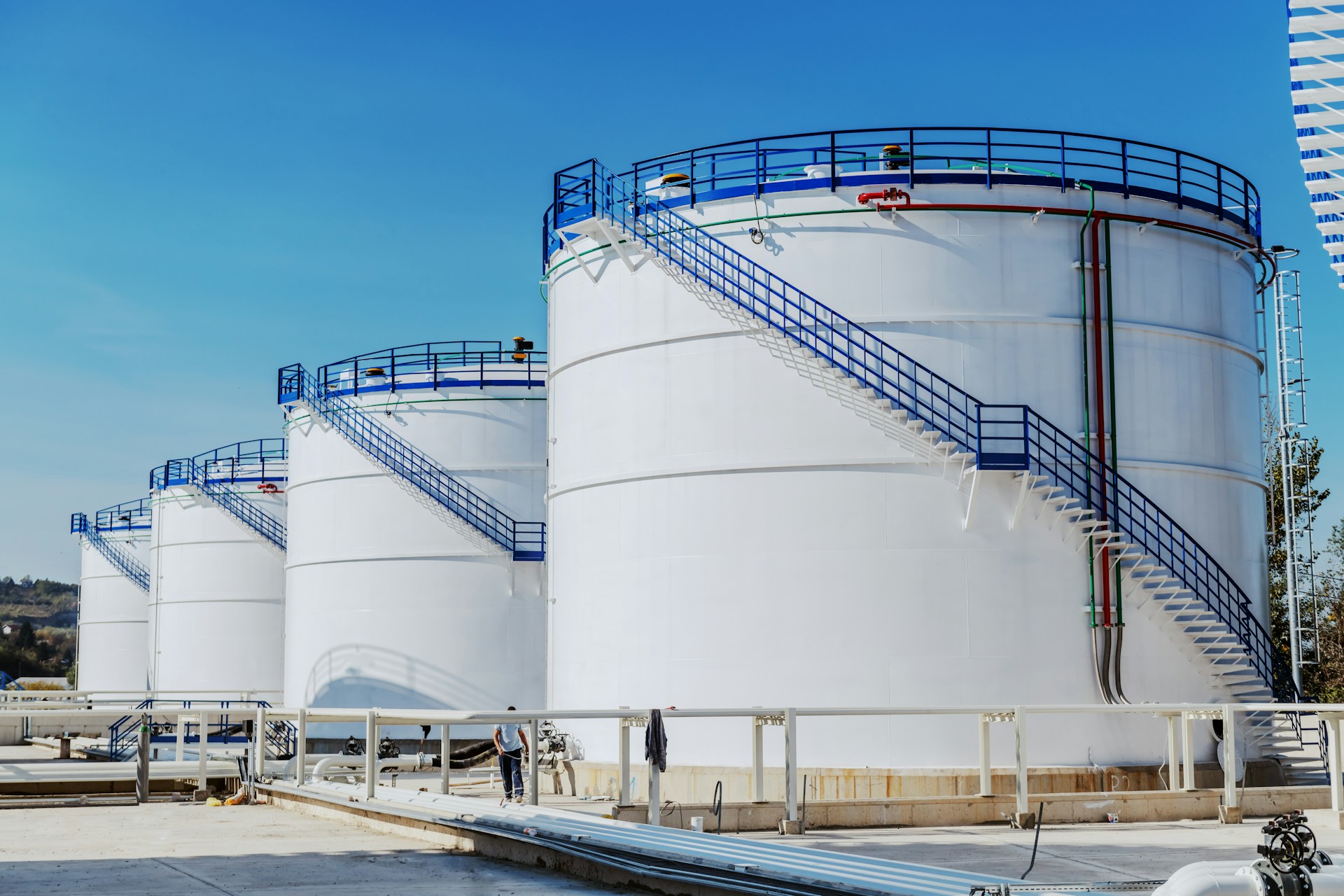
Concrete tanks are known for their strength, but even solid construction has its limits. Over time, exposure to water, chemicals, or shifts in temperature can wear down the inside surfaces. That’s why lining your concrete tank is one of the best ways to protect what’s stored inside and make the tank itself last longer. Whether you’re storing water, wastewater, chemicals, or something else, the right liner does more than just offer a barrier—it plays a big role in keeping the tank safe and usable for years.
Choosing a liner isn’t as simple as grabbing the first option. Different liners suit different needs. Some handle chemicals better, while others are made to stop leaks in tanks that hold drinking water. Picking the wrong one can lead to early damage, higher costs later on, or even contamination. To help make sense of your options, let’s look into why liners matter and the types that are commonly used in concrete tanks.
Benefits of Using Liners for Concrete Tanks
A strong tank isn’t much help if it’s leaking or damaging what’s inside. That’s where liners come in. A good liner acts as a protective layer between the tank and its contents. It takes most of the wear and tear, helping to slow down internal damage and make cleaning easier.
Liners offer a few clear advantages:
– Prevent leaks: A liner seals minor cracks and stops liquids from finding their way through old or worn-out concrete. This is especially helpful for tanks storing chemicals, where leaks can cause harm to both the tank and its surroundings.
– Protect water quality: Concrete can gradually break down and affect the taste, smell, or appearance of stored water. Liners create a surface that doesn’t react with the water, helping it stay clean.
– Extend tank life: Moisture and chemicals can weaken concrete over time. Liners reduce that exposure and help the concrete structure stay in better shape for longer.
– Easier cleaning and less buildup: With a smooth liner in place, grime and residue don’t collect as quickly. This makes routine cleaning faster and helps prevent larger problems from forming.
Let’s say your tank stores water for a community garden. A liner will help keep the water fresh and free from bits of concrete, chemicals, or rust. It reduces interruptions and helps things run smoothly year-round.
Types of Concrete Tank Liners
Not every liner works for every tank. The material you choose should match how and where the tank is used. Some liners are good for industrial use, others suit farms or homes. Picking the wrong type can mean early damage or expensive fixes later on.
Here are a few common types:
1. Polyethylene Liners
These liners are lightweight and cost-effective. They’re a common choice for storing clean water and work well in places that don’t get exposed to lots of heat or chemicals.
Pros:
– Easy to install
– Budget-friendly
– Suitable for general water storage
Cons:
– Not built for chemical-heavy environments
– Can wear faster in high temperatures
2. Epoxy Coatings
Epoxy offers a hard, sealed surface that sticks well to concrete. It prevents leaks and handles a wide range of contents, including some chemicals. Installation needs care, especially surface prep.
Pros:
– Durable and corrosion-resistant
– Works for multiple tank uses
– Long-lasting if installed correctly
Cons:
– Prone to chipping if applied poorly
– Needs a clean and dry surface for bonding
3. Polyurethane Liners
Best for tanks that may expand or contract due to heat changes. Their flexibility helps them stay intact even when conditions shift.
Pros:
– Highly flexible
– Stands up to temperature changes
– Resists chemical breakdowns
Cons:
– Often more expensive up-front
– Needs routine checks to catch signs of wear
Each liner type has its place. The key is understanding the everyday conditions your tank faces and choosing a material that can cope with them reliably.
Factors to Consider When Choosing a Liner
Choosing the right liner means thinking about more than just the price tag. It involves looking carefully at what the tank holds, where it’s located, and how often it’s cleaned and checked.
Here’s what to keep in mind:
– What’s in the tank?
Clean water storage doesn’t need the same protection as tanks holding fertiliser, cleaning agents, or wastewater. If the liquid reacts with the tank wall or eats away at the lining, that’s a big problem. The liner must be made to withstand what it touches every day.
– Where’s the tank set up?
Outdoor tanks take the brunt of the weather—sun, rain, temperature swings—and that can wear liners down. UV stability, moisture protection, and temperature resistance all play a role depending on the climate.
– Your budget and long-term plan
Picking a cheaper liner might save now, but if it needs replacing sooner, the cost adds up. Think about how long you want the solution to last. If low-maintenance and durability matter more, it may be worth investing in higher-end options.
– Condition of the tank surface
A cracked or uneven wall can affect how well a liner sticks or fits. Some coatings need a very clean, smooth surface to bond correctly. If the tank is older, you might need some patching or smoothing out before the liner goes on.
– Ongoing maintenance
Liners that last longer or need fewer checks might cost more at first, but they reduce problems and downtime. On the other hand, if your tank is already on a routine cleaning schedule, you might do fine with something simpler that’s easier to patch along the way.
Say you’ve got a tank on industrial grounds exposed to sun and chemicals. It might seem easier to grab a basic polyethylene liner, but it won’t last long. A polyurethane option would likely resist stress better and save you having to reliner the tank several times.
Installing and Maintaining Concrete Tank Liners
Getting the liner in place the right way is just as important as choosing the right type. Poor surface prep, wrong handling, or bad weather during installation can all cause trouble sooner than expected.
Here’s a general idea of what’s involved:
– The tank is drained and cleaned inside to remove old coatings, grime, or residue.
– Surfaces are closely inspected for cracks, wear, or foundation issues.
– Repairs are made if needed to smooth the surface and take care of gaps or pitting.
– The liner is fitted. That could mean spraying a liquid material like epoxy or polyurethane or installing a pre-cut membrane if using a product like polyethylene.
Then comes regular upkeep. Inspections are key to spotting early problems like bubbles under the surface, areas that are lifting, fading, or strange odours coming from inside the tank.
Things to look out for include:
– Discolouration that wasn’t there before
– Rough or spongy patches that suggest damage underneath
– Gaps or loosening along seams or edges
– New or unusual smells from the tank contents
It’s also smart to stay on track with a simple cleaning schedule. Less grime means liner problems are easier to spot and stops debris from putting extra stress on the material. If you let buildup stay around, it may hold water against the lining and wear it down faster.
How ATM Tanks Can Help
Choosing and installing the right liner for your concrete tank might sound straightforward, but it rarely is. There’s a lot riding on the condition of the surface, the liquid you’re storing, and how much downtime you can afford. That’s where working with an experienced team helps make the difference between short-term fixes and long-lasting performance.
ATM Tanks works closely with you to assess the state of your tank, match the right material to your needs, and handle everything from preparation through to professional installation. Whether it’s for safe water storage, chemical containment, or general long-term use, we help reinforce your tank from the inside out with the right solution for the job.
If you’ve noticed signs of wear, damage, or you’re unsure whether your current liner is holding up, now’s the time to get expert advice. We offer reliable help when it matters most.
For long-lasting tank performance and reliable protection, choosing the right solution is key. Our team can help you find the most suitable concrete tank liners based on your storage needs and location. Whether it’s for installation, repairs, or expert advice, ATM Tanks is here to make the process simple and stress-free.

- How Tank Inspections Can Prevent Emergency Cleanups - January 11, 2026
- Tank Waterproofing Tips for Mid-Summer Rain Surges - January 11, 2026
- When to Repair a Cracked Steel Tank Before It Leaks - January 11, 2026